Octopus Worlds has a brand-new home
We’ve rebuilt everything from the ground up: faster navigation, 300 species, intelligent games and a new design focused on long-term learning.
- 300 species with detailed research and ecosystem info
- Interactive world map, shipwrecks and overfishing zones
- Free learning games with adaptive difficulty
Atlantic Pygmy Octopus
Description
The Atlantic Pygmy Octopus is very small, only about 5 ½ inches in length overall. Over 3 inches of that is the arms so the mantle part of the body isn’t very much to work with at all. They only weigh about 1 ounce as an adult which makes them one of the smallest species of Octopus in the world.
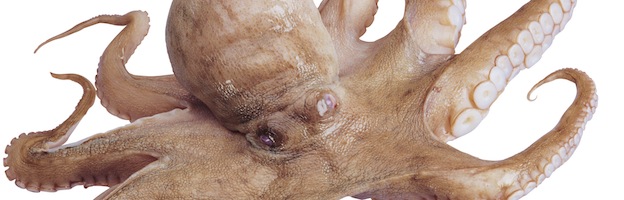
They can range in coloring due to the ability to change for camouflage. They are normally a whitish color with brown spots all over the body. Yet this can change in an instant depending on what they need to blend with.
Read Or Listen To – Researchers Warning, We Should Not Farm Octopuses
Distribution
The Cayman Islands is a common location where these Octopus are found. They prefer water that is warm in temperature. They also seem to do extremely well in water that is clean. It is rare to see them living in areas out here where heavy pollution is a problem. As a result of that their natural habitat seems to be continually getting smaller.
They are great at hiding so you may be in a location where there are thousands of these octopuses. Yet you never see them due to them blending in, being in crevices, or inside of other objects. Even seasoned researchers can have a hard time finding them in their natural environment.
Behavior
Since the Atlantic Pygmy Octopus is so small, it is able to find shelter in very peculiar places. One of them that they commonly use is the inside of clamshells. They have also been known to crawl inside of cans, bottles, and other debris that can be found along the bottom of the water. They will pull of sand around the opening of the location they select so that they can be well hidden.
Many experts find this small Octopus to be fun to observe. They are very playful and seem to be extremely intelligent. They can problem-solve to make their environment one that fits well for their needs. They don’t interact with others unless they are trying to mate so their life is one of solidarity.
Diet /Feeding
These Octopuses consume large amounts of clams so they have to secrete a toxin that will discover the hard shell on most of them. They have a venom that they inject into the prey to paralyze it. They will eat a variety of crustaceans but they seem to be very picky about the taste of their food. They will develop a taste for certain foods and that is what they actively seek.
Reproduction
The Atlantic Pygmy Octopus is ready to mate when they are about 6 months of age. Between March and June is when the females give off a scent that they are ready for mating. The males will provide them with a sack of sperm that goes inside of the body cavity. Then the males will wander away and more than likely die within a couple of weeks.
The females find a location during that period of time where they can lay all of their eggs. They can offer thousands of extremely small eggs at one time. The task of using the sperm to fertilize each of them is a time-consuming task. When the young are born they are very small but developed and ready to tackle life on their own.
Human interaction
Many humans come into contact with the Atlantic Pygmy Octopus. There are quite a few videos found online with them being recorded in their natural habitat. If you have someone time check those videos out. It can be an amazing experience for you to see them moving around and interacting in their natural environment.